

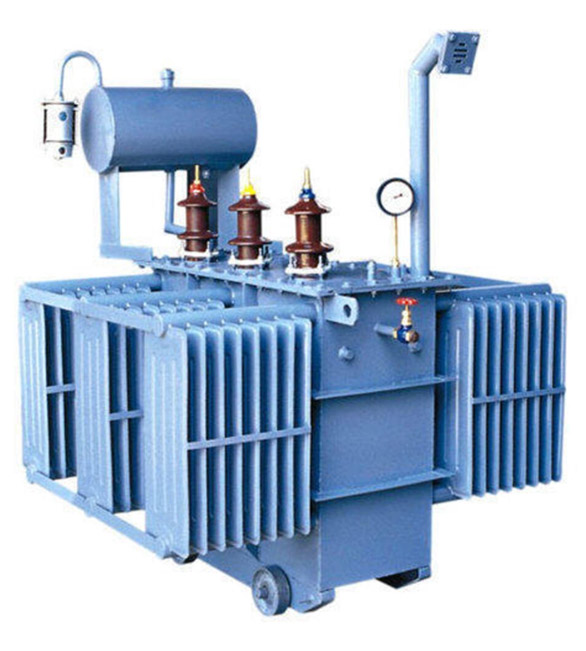
Electrical Power Transformer
An electrical power transformer is a static electrical device that transfers electrical energy between two or more circuits through electromagnetic induction. It is widely used in power generation, transmission, and distribution systems to efficiently change voltage levels while maintaining the same frequency. The primary purpose of a transformer is to step up (increase) or step down (decrease) voltage to meet specific system requirements, ensuring minimal energy loss during transmission.
A typical transformer consists of a core, usually made of laminated silicon steel, and windings of insulated copper or aluminum wire. The primary winding receives electrical energy, creating a magnetic flux in the core, which induces a voltage in the secondary winding. Transformers are classified based on their function and construction, such as power transformers, distribution transformers, isolation transformers, and instrument transformers.
Power transformers play a crucial role in the electrical grid by improving efficiency, reducing transmission losses, and stabilizing voltage levels. They operate on the principle of mutual induction and can handle high voltages and large power ratings. Proper design, maintenance, and insulation are essential to ensure long-term performance and safety. In modern power systems, transformers are indispensable for delivering reliable electricity from generation plants to homes, industries, and commercial establishments.
Client 08

Client 08
Client 08
Client 08
Client 08
Client 08
To know more about us
What Our Customers Say?
I recently installed the servo voltage stabilizer from Nexavolt Systems, and I am extremely impressed with its performance. The device ensures a consistent voltage supply, preventing any fluctuations that could damage sensitive equipment. It has been running smoothly for several months now with zero issues. The build quality is top-notch, and I feel much more confident knowing my systems are well-protected. Highly recommend this product to anyone in need of reliable voltage stabilization!

Rakesh Chuchan
I recently purchased a Servo Voltage Stabilizer for my electrical system, and overall, I'm very satisfied with its performance. The installation was straightforward, and the stabilizer has been keeping my voltage levels stable, which has improved the efficiency of my equipment. The build quality is solid, and it feels durable, designed to withstand varying loads.
Satish Sharma
Our machines were constantly affected by voltage drops. The servo stabilizer we purchased has stabilized the supply, improving productivity and reducing downtime. We live in an area with unstable electricity. Since installing this stabilizer, our appliances work perfectly, and I feel much safer.
Vikram Singh
They are the best of the best, and expertly trained team members who take the extra step and go the extra mile, all to fulfill our dedicated promise to deliver innovative and dynamic solutions to our customers to fit the needs of a rapidly our needs!!
Roshan Haldhar
We faced frequent voltage drops affecting our machinery. The servo voltage stabilizer we installed from Nexavolt Systems solved the problem completely. It’s durable, efficient, and has significantly improved our production workflow.