

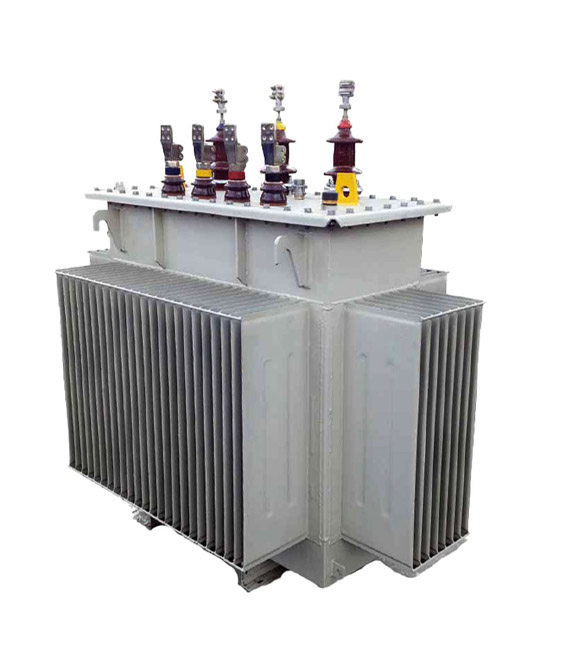
Distribution Transformer
A Distribution Transformer is a crucial electrical device used in power distribution networks to step down high-voltage electricity from the transmission system to a lower voltage suitable for domestic, commercial, and industrial use. Unlike power transformers, which operate at high voltages and handle bulk power, distribution transformers are designed for lower capacity and localized distribution.
Typically, distribution transformers operate at voltage levels ranging from 11 kV or 33 kV on the primary side to 230V or 400V on the secondary side, depending on regional standards. They are widely used in residential areas, commercial complexes, and industrial units to ensure safe and reliable electricity supply. These transformers are usually of two types: pole-mounted for overhead lines and ground-mounted for underground networks.
Key features include compact design, high efficiency, low losses, and robust insulation to withstand varying environmental conditions. They often use oil or dry-type insulation to enhance cooling and durability. Maintenance is generally minimal, but periodic inspection ensures longevity and safety.
In essence, distribution transformers play a vital role in the electrical power system by enabling the safe delivery of electricity from substations to end-users, supporting daily life, industrial operations, and economic activities, while maintaining voltage stability and efficient energy utilization.
Client 08

Client 08
Client 08
Client 08
Client 08
Client 08
To know more about us
What Our Customers Say?
I recently installed the servo voltage stabilizer from Nexavolt Systems, and I am extremely impressed with its performance. The device ensures a consistent voltage supply, preventing any fluctuations that could damage sensitive equipment. It has been running smoothly for several months now with zero issues. The build quality is top-notch, and I feel much more confident knowing my systems are well-protected. Highly recommend this product to anyone in need of reliable voltage stabilization!

Rakesh Chuchan
I recently purchased a Servo Voltage Stabilizer for my electrical system, and overall, I'm very satisfied with its performance. The installation was straightforward, and the stabilizer has been keeping my voltage levels stable, which has improved the efficiency of my equipment. The build quality is solid, and it feels durable, designed to withstand varying loads.
Satish Sharma
Our machines were constantly affected by voltage drops. The servo stabilizer we purchased has stabilized the supply, improving productivity and reducing downtime. We live in an area with unstable electricity. Since installing this stabilizer, our appliances work perfectly, and I feel much safer.
Vikram Singh
They are the best of the best, and expertly trained team members who take the extra step and go the extra mile, all to fulfill our dedicated promise to deliver innovative and dynamic solutions to our customers to fit the needs of a rapidly our needs!!
Roshan Haldhar
We faced frequent voltage drops affecting our machinery. The servo voltage stabilizer we installed from Nexavolt Systems solved the problem completely. It’s durable, efficient, and has significantly improved our production workflow.